
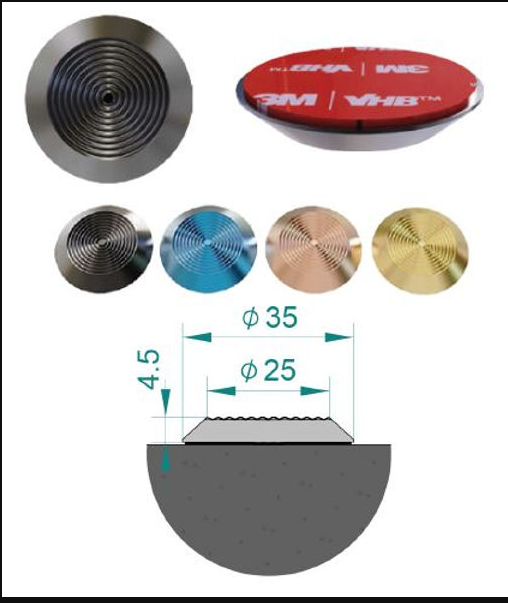
Stainless steel tactile indicators are widely used in modern infrastructure to improve accessibility and safety. They are commonly installed in public spaces such as sidewalks, railway platforms, malls, and commercial buildings. One of the most common questions asked by buyers and project planners is about the stainless steel tactile indicators price: whether it is calculated per piece or per square foot.
Understanding pricing is important for budgeting and selecting the right product. This article explains how pricing works, what factors influence costs, and what you can expect when purchasing these indicators.
Understanding Pricing: Per Piece vs Per Square Foot
The price of stainless-steel tactile indicators is usually offered in two formats. Some suppliers quote prices per piece, while others provide pricing per square foot based on the total area covered.
When priced per piece, each tactile stud or strip has an individual cost. This method is common for smaller projects or when specific quantities are required. On the other hand, pricing per square foot is more suitable for large installations where coverage area matters more than individual units.
Both methods are valid, and the choice depends on the type and size of your project.
Average Price Range in the Market
The stainless-steel tactile indicators price can vary depending on quality, finish, and design. On average, per piece prices are usually affordable, but the total cost increases with the number of units required. For larger areas, per square foot pricing provides a better estimate of overall project cost.
Prices may differ based on location, supplier, and order volume. Bulk orders often come with better pricing, while custom designs may increase the cost.
Factors That Affect the Price
Several factors influence how much you will pay for stainless steel tactile indicators. Understanding these factors helps in making a better purchasing decision.
Key Factors That Impact Pricing
- Quality and grade of stainless steel used
- Thickness and durability of the material
- Type of finish such as matte or polished
- Size and design of the tactile indicators
- Quantity ordered and bulk discounts
- Installation method, including adhesive or mechanical fixing
Each of these elements plays a role in determining the final cost. Higher quality materials usually come at a higher price but offer better durability and long-term value.
Role of Material Quality
Material quality is one of the most important aspects affecting price. Stainless steel indicators are preferred because they are strong, corrosion-resistant, and long-lasting. However, not all stainless-steel products are the same.
Higher-grade materials provide better resistance to wear and environmental conditions. While they may cost more initially, they reduce maintenance and replacement costs over time. This makes them a cost-effective choice in the long run.
Importance of Supplier Selection
Choosing the right supplier also affects pricing. A reliable tactile tiles manufacturer ensures consistent quality, proper specifications, and accurate pricing.
Different manufacturers may offer different rates based on their production process, material sourcing, and quality standards. Working with an experienced supplier can help you get better value for your investment.
Installation Costs and Considerations
In addition to product pricing, installation costs should also be considered. The method of installation can influence the total expense of the project.
Adhesive-based installation is generally faster and may reduce labor costs. Mechanical fixing, while more secure in some cases, may require additional tools and time.
Common Installation Cost Factors
- Type of surface where indicators will be installed
- Labor charges based on project size
- Preparation work such as cleaning or leveling
- Tools and materials required for fixing
- Time required for completion
Planning installation carefully can help control overall project costs.
Cost vs Long-Term Value
While it may be tempting to choose the lowest price available, it is important to focus on long-term value rather than just initial cost. Low-quality products may wear out quickly, leading to frequent replacements and higher expenses over time.
High-quality stainless steel tactile indicators provide durability, safety, and reliability. They maintain their appearance and functionality even in high traffic areas, making them a better investment.
Choosing the Right Option for Your Project
The decision between per piece and per square foot pricing depends on your specific needs. For smaller or customized projects, per piece pricing may be more practical. Per square foot pricing provides better cost control and clarity for large-scale installations.
It is also important to consider factors such as location, usage, and expected traffic. These elements help determine the type and quality of tactile indicators required.
Final Thoughts
The stainless-steel tactile indicator’s price depends on multiple factors, including material quality, design, quantity, and installation method. Whether priced per piece or per square foot, understanding these elements helps you plan your budget effectively.
Working with a trusted tactile tiles manufacturer ensures that you receive high-quality products that meet safety standards and perform well over time. By focusing on both cost and value, you can make a smart investment that enhances accessibility and durability in any space.
