
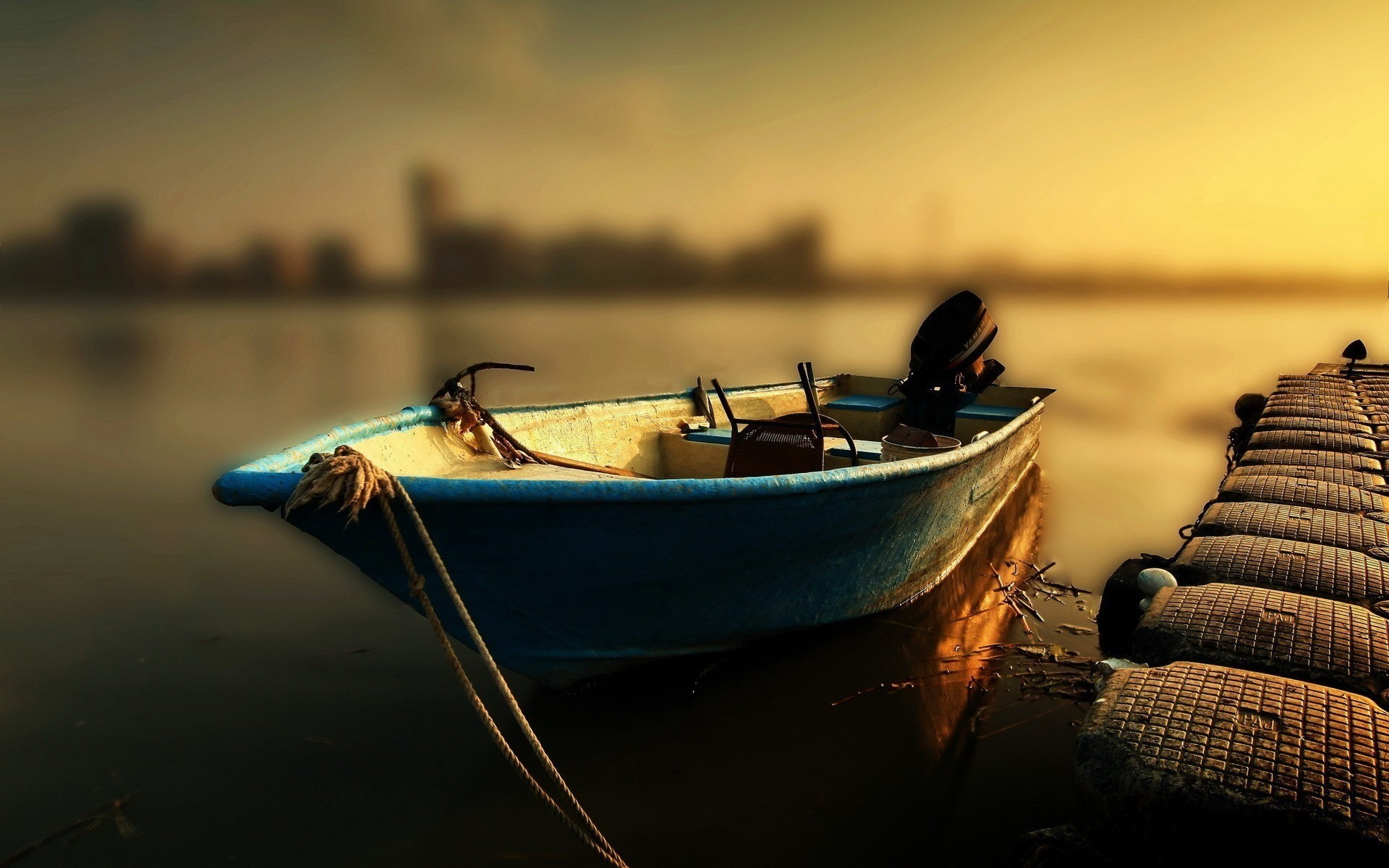
Some places stay special because they are difficult to reach. No airports. No cruise terminals. No crowds spilling out with cameras and schedules. Just land, water, and the quiet understanding that you had to work to get there.
Hidden islands accessible only by boat aren’t accidents of geography—they’re filters. They reward patience, preparation, and respect for the sea. And once you arrive, they give something rare in return: space.
Why Isolation Preserves Beauty
Islands without roads or runways evolve differently. Nature dominates. Human presence adapts rather than reshapes.
Beaches remain untouched because access is limited. Villages stay small because supplies arrive slowly. Time moves at a different pace.
But reaching these places isn’t romantic guesswork. It requires planning, self-sufficiency, and reliable systems—especially when there’s no infrastructure waiting for you.
Getting There Is the Challenge
When you sail to a remote island, you don’t just “arrive.” You commit.
Weather windows matter more. Fuel management becomes strategic. There are no last-minute refueling stops or repair services. Once you leave, your boat must carry everything you need.
Oil and fuel pumps are often taken for granted until they’re not. In isolated regions, reliable fuel delivery isn’t just about efficiency—it’s about range and safety. If your engine can’t run when needed, your options shrink fast.
Examples of Islands Boats Still Protect
There are countless hidden islands around the world where boats remain the only practical access.
In the Aegean, small uninhabited islands sit just beyond ferry routes, protected by strong currents and lack of harbors.
In the South Pacific, coral atolls exist hundreds of miles from commercial routes, reachable only by careful navigation and long passages.
In Northern Europe, rocky islands dot cold seas where weather and distance keep mass tourism away.
What these places share is not beauty alone—but commitment. You earn your arrival.
Engines Still Matter in Paradise
Sailing is ideal, but engines are essential. Approaching unfamiliar anchorages, maneuvering around reefs, or escaping deteriorating weather all depend on mechanical reliability.
Fuel systems work quietly in the background. Oil and fuel pumps regulate flow, pressure, and performance without drama—until something fails.
On remote islands, there is no backup. A pump failure doesn’t mean inconvenience; it means delay, risk, and sometimes forced decisions you didn’t plan for.
That’s why experienced sailors monitor fuel systems obsessively before entering isolated regions.
Life Without Services
Hidden islands don’t offer repair shops or spare parts. What you bring is what you have.
This changes how you travel. You become conservative with resources. You avoid unnecessary engine use. You listen to your boat more closely.
Fuel becomes precious. Oil condition becomes information. Pumps become something you think about before they give you a reason to.
In this way, isolation sharpens awareness. You stop assuming things will work and start ensuring they do.
The Reward: Genuine Connection
What you gain in return is profound.
You anchor in silence broken only by wind and water. You explore ashore without paths or signs. You meet locals who aren’t tired of visitors because visitors are rare.
These moments feel earned. They feel real.
And they’re fragile. One careless approach, one mechanical failure, one poor decision can turn a dream anchorage into a problem.
Why Boats Are Still the Gatekeepers
Boats control access not by exclusion, but by effort. They require skill, time, and responsibility.
This naturally limits numbers. It ensures that those who arrive are invested in the place, not just passing through.
Reliable systems—especially those tied to propulsion and fuel delivery—are part of that responsibility. Oil and fuel pumps may never be seen by other travelers, but they play a central role in reaching and leaving these islands safely.
Leaving Is as Important as Arriving
The most overlooked part of remote travel is departure. Weather shifts. Conditions change. You need to know you can leave when it’s time.
Fuel flow must be predictable. Engine response must be immediate. There’s no margin for “almost working” when you’re threading reefs or beating an approaching storm.
Hidden islands remain special because leaving them requires just as much care as arriving.
The Point Is the Journey
These islands aren’t destinations you check off. They’re experiences shaped by the journey itself.
You remember the approach, the anchoring, the stillness, and the awareness that you’re responsible for every decision out there.
Reaching a place that can only be accessed by boat reminds you that effort filters experience. And sometimes, that filter is exactly what keeps a place worth reaching.
