
Discover the captivating allure of aged raw Pu erh tea, a true treasure harvested from Yunnan’s ancient trees and transformed through expert aging into a remarkably smooth and complex brew. Sourced directly from pristine forests by Tea & Leaf, this premium loose-leaf tea distinguishes itself with its evolving flavors, benefits for digestion, and a steady lift in energy—all supported by longstanding traditional Chinese practices. Learn about its production secrets, brewing tips, and why it surpasses ripe varieties.
Key Takeaways:
- Aged raw Pu-erh from ancient Yunnan trees undergoes natural transformation, developing complex flavors like honeyed fruits and subtle earthiness, far superior to young teas.
- Its premium status stems from traditional craftsmanship and slow aging, yielding rare, mellow profiles with depth unmatched by ripe Pu-erh varieties.
- Offers proven health perks like digestion aid, weight management, and steady energy, plus simple brewing from loose-leaf sourced sustainably for authenticity.
Pu-Erh Tea Basics
Pu-erh tea, often called puer tea, is a unique post-fermented true tea from Camellia sinensis assamica‘s large leaf varietal like Dayezhong, grown in Yunnan Province, where raw pu-erh (sheng puer) undergoes natural fermentation and ripe pu-erh (shou puer) involves microbial fermentation via wo dui after maocha sun-drying.
This sets pu-erh apart from other true teas, as its production process allows for tea aging that transforms flavors over time. Unlike green or black teas, pu-erh from ancient tea trees in areas like the Six Great Tea Mountains develops complexity through years of storage. Tea & Leaf offers authentic selections from these regions.
Raw puerh starts grassy and astringent, while ripe puerh offers immediate smoothness. Both types highlight gushu puer from old arbor trees, prized for their terroir. Explore Tea & Leaf’s aged pu-erh for genuine aged puer experiences.
Health benefits include support for gut health, weight management, and heart health from tea polyphenols and compounds like lovastatin, L-theanine, and GABA. Along the historic Tea Horse Road, these teas gained fame. Tea & Leaf sources directly for quality.
Production
The production process of pu-erh tea starts with sun drying fresh leaves, followed by dry frying to kill the green, then piling for wet piling or wo dui in ripe varieties, often at factories like Menghai, Xiaguan Tea Factory, or Kunming Tea Factory, before compressing into tea cakes, bingcha, tea bricks, or loose leaf tea.
For raw puerh, leaves become maocha after sun-drying, then steam and press into shapes for natural fermentation during aging. Ripe puerh uses accelerated wo dui with moisture and heat for quicker microbial action. Traditional methods preserve tree age influences from Yunnan Province.
Craftsmanship at places like Menghai emphasizes gentle handling of large leaf varietal from Dayezhong trees. This yields hybrid puer options too. Tea & Leaf features teas from these storied producers for true authenticity.
Post-pressing, storage in cool, humid conditions promotes aging potential. A tea master oversees each step to maintain quality. Try gongfu brewing these forms from Tea & Leaf to appreciate the process.
Flavor
Pu-erh tea’s flavor profile evolves from young raw’s bitterness and astringency to aged smoothness, featuring hui gan, full bodied mouthfeel, earthy flavor, woody flavor notes, sometimes pine smoked or blended with chenpi, influenced by terroir over plantation tea.
Sheng pu-erh softens over decades, gaining sweet hui gan return sweetness. Shou puer delivers instant smooth drinkability with camphor hints in aged examples. Tea & Leaf’s rare gushu puer showcases these shifts vividly.
Terroir from old arbor trees adds mineral depth, unlike uniform plantation brews. Pine smoked varieties evoke forest notes, while chenpi blends brighten with citrus. Brew with gongfu style for layered tastes.
Experts recommend starting with lighter infusions to track flavor changes. Aged tea boosts energy, supports brain health, and aids metabolic rate, lower cholesterol, and decrease triglycerides. Tea & Leaf’s selections highlight these premium traits.
The Art of Aging Raw Pu-erh
The art of aging raw Pu-erh, or sheng pu-erh and raw puer, transforms it through natural fermentation and tea aging, unlocking immense aging potential in aged pu-erh and aged puer, especially from high tree age gushu puer trees.
Raw Pu-erh starts as maocha, sun-dried leaves from the large leaf varietal of Camellia sinensis assamica. Makers compress it into tea cakes or bingcha without wet piling, unlike ripe pu-erh or shou puer which uses wo dui for microbial fermentation. This sets the stage for slow, natural changes over years.
Tea aging happens in controlled environments with good air flow and stable humidity. Tea & Leaf sources premium aged raw collections from veteran tea masters who monitor terroir influences. Store your pu-erh tea away from strong odors to preserve its flavor profile.
Young raw Pu-erh offers astringency and bitterness, but time brings full bodied, woody flavor. Experts recommend gongfu brewing for these aged tea gems. Tea & Leaf’s selections highlight this post-fermented journey from puer tea origins.
Transformation Over Time
Transformation over time in raw pu-erh and sheng cha mellows initial bitterness into smooth drinkability, hui gan, and woody flavor as it becomes aged raw Pu-erh.
Early years bring earthly flavor shifts through natural fermentation. Leaves lose sharp astringency, gaining depth from tea polyphenols. Brew a 10-year-old cake to taste the full bodied evolution.
Tea & Leaf advises storing in cool, dry spots with moderate humidity for optimal change. Rotate tea cakes periodically to ensure even tea aging. This practice enhances health benefits like potential support for gut health and weight management.
Longer aging reveals pine smoked notes or chenpi hints in some hybrid puer. Hui gan, that sweet aftertaste, grows prominent. Patience rewards with sheng puer complexity.
Ancient Trees and Yunnan Origins
Ancient trees and tea trees from Yunnan’s gushu and old arbor in the Six Great Tea Mountains, like Yibang, Mangzuan, Yiwu, and Jinggu Dai areas, define premium pu-erh origins.
These Yunnan Province regions along the Tea Horse Road yield dayezhong varietals from towering Camellia sinensis. Gushu puer from trees over centuries old captures unique terroir. Unlike plantation tea, it offers richer aging potential.
Tea & Leaf sources directly from Menghai and similar spots for authentic raw puerh. Production involves sun-drying, dry frying to kill the green, then pressing. This production process preserves vitality for decades.
Such teas may boost energy, support heart health, or aid brain health via compounds like L-theanine and GABA. Research suggests benefits for lower cholesterol and metabolic rate. Explore loose leaf tea or tea bricks from these roots.
Taste Profile of Aged Raw Pu-erh
The taste profile of aged raw Pu-erh offers full bodied, earthy flavor and woody flavor with hui gan and smooth drinkability, shaped by gushu puer terroir, as in 2024 Riparian or 2024 Jamrock Steady hybrid puer offerings from Tea & Leaf.
Aged raw Pu-erh, or sheng Pu-erh, starts with young raw maocha from Yunnan province. Over years of tea aging through natural fermentation, it develops complex layers. Expect notes of old forest wood and subtle pine smoked hints in gushu puer from ancient tea trees.
Hui gan, the returning sweetness, lingers after each sip. This sets aged Pu-erh apart from ripe Pu-erh or shou Pu-erh, which undergo microbial fermentation via wo dui. Tea & Leaf’s 2024 Riparian captures terroir from six great tea mountains like Menghai.
Brew with gongfu brewing to reveal evolving flavors. Hybrid puer blends, such as 2024 Jamrock Steady, mix large leaf varietal Camellia sinensis assamica with unique profiles. Bitterness fades into smooth earthiness over time.
Health Benefits
Aged raw Pu erh boasts health benefits from tea polyphenols, lovastatin, L-theanine, and GABA, supporting heart health, gut health, brain health, lower cholesterol, and decrease triglycerides.
These compounds form during the natural fermentation and tea aging process in Yunnan Province. Tea polyphenols act as antioxidants, while lovastatin helps manage cholesterol levels. Tea & Leaf sources premium aged Pu-erh from ancient tea trees like Camellia sinensis assamica varietals.
For heart health, the tea’s profile reduces triglycerides and supports circulation. Gut health improves through microbial activity from wet piling, similar to raw Pu-erh production. Experts recommend daily consumption for these effects.
Brain health benefits from L-theanine and GABA, promoting calm focus. Brew with Tea & Leaf’s gongfu brewing method: use 5 grams of tea cakes per 100ml at 95°C for 10 seconds. This unlocks the full flavor profile and compounds.
Weight Loss and Digestion
Pu-erh aids weight loss and weight management by boosting metabolic rate and promoting gut health for better digestion.
The microbial fermentation process in aged Pu-erh, especially sheng Pu-erh, enhances gut flora. This process breaks down fats, supporting metabolic rate. Drink after meals to aid digestion of heavy foods like oily dishes.
Tea & Leaf suggests steeping loose leaf tea or bingcha for 20 seconds initially. Raw Pu-erh from gushu puer trees offers aging potential that amplifies these effects over time. Pair with a balanced diet for best weight management.
Research suggests consistent intake improves gut health through probiotics-like action. Avoid over-steeping to prevent excess astringency. Enjoy the woody flavor and hui gan return sweetness.
Energy and Heart Health
Aged raw Pu-erh boosts energy while supporting heart health through lower cholesterol, decrease triglycerides, L-theanine, GABA, and brain health from Yunnan Province, China.
L-theanine provides steady energy without jitters, unlike coffee. GABA calms the mind, aiding brain health. These pair with lovastatin for lower cholesterol and triglyceride reduction.
For heart health, the post-fermented nature of raw puerh from Menghai or Menghai County or Six Great Tea Mountains delivers benefits. Tea & Leaf’s aged puer undergoes sun-drying and dry frying to preserve compounds. Sip in the morning for sustained boosts energy.
Use gongfu brewing: rinse maocha first, then infuse multiple times. This reveals full bodied taste with smooth drinkability. Combine with walking for enhanced circulation and heart health.
Brewing and Storage Guide
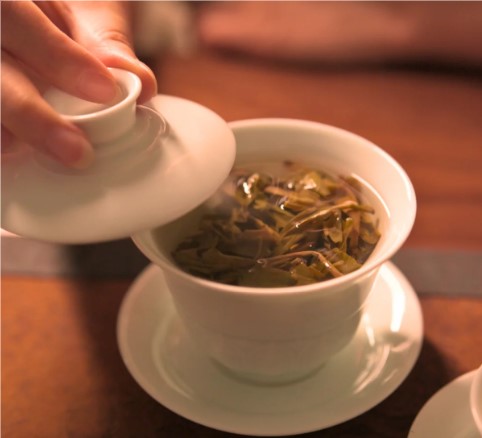
Master gongfu brewing of aged raw Pu-erh using a Gaiwan under a tea master’s guidance, and store in bamboo basket away from odors, unlike cast iron wok processing. This approach highlights the tea’s aging potential and preserves its unique flavor profile. Proper methods ensure the raw Pu-erh from Yunnan Province reveals notes of woody flavor and hui gan.
Start with gongfu brewing to unlock the sheng Pu-erh’s complexity. Rinse the tea leaves briefly in hot water to awaken the camellia sinensis assamica varietal. A tea master often recommends water at 195 degrees Fahrenheit for optimal extraction.
For storage, use a bamboo basket in a cool, dry space to support natural fermentation. Keep aged Pu-erh tea cakes or bingcha away from strong smells that could taint the earthly flavor. Tea & Leaf sets include ideal tools like gaiwans for easy handling.
Follow this storage guide to maintain smooth drinkability over years. Avoid direct sunlight on maocha or loose leaf tea. Regular checks prevent any moisture buildup in your collection of gushu puer or old arbor teas.
Raw vs. Ripe: Why Aged Raw is Premium
In raw vs. ripe, raw pu-erh (sheng puer) excels over ripe pu-erh (shou puer) with natural fermentation’s superior aging potential versus microbial fermentation, making it the premium Puer Tea from gushu puer in Menghai County by Changtai Tea Group, cherished in Hunan, Guangdong, Taiwan, Hong Kong, Laos, Burma, and Vietnam.
Raw Puer starts with Maocha from Camellia Sinensis Assamica varietals like Dayezhong, sun-dried and shaped into Bingcha. This production process preserves the leaf’s vitality for true tea aging. In contrast, Shou Puer undergoes wet piling or Wo Dui to speed up fermentation artificially.
Aged sheng pu-erh develops a complex flavor profile with woody flavor, hui gan sweetness, and reduced astringency or bitterness over years. Ripe versions offer quick earthly flavor but lack the depth from decades of slow change. Gushu puer from old arbor tea trees in Yunnan’s Six Great Tea Mountains shines here, capturing unique terroir.
Tea & Leaf’s authentic aged raw premium selections highlight this difference. Brew with gongfu brewing to taste full bodied smoothness in young raw versus aged. Global fans appreciate its health benefits like support for heart health, gut health, and weight management from tea polyphenols.
Frequently Asked Questions
What Makes Aged Raw Pu Erh Tea a Premium Tea Choice?
Aged Raw Pu Erh Tea is a premium choice due to its unique fermentation process from ancient Gushu tea trees, slow natural aging that develops complex flavors like earthy depth and subtle sweetness, rarity of high-quality leaves, and traditional craftsmanship. At Tea & Leaf, our authentic loose-leaf selections from pristine forests elevate it as a connoisseur’s delight with global shipping available from Kunming Tea Factory and Xiaguan Tea Factory.
Why is the Aging Process Key to What Makes Aged Raw Pu Erh Tea a Premium Tea Choice?
The multi-year aging transforms raw Pu Erh through microbial fermentation process, enhancing aroma, reducing astringency, and creating layers of umami and floral notes. Sourced from Tea & Leaf’s rare ancient Yunnan trees, this process ensures exclusivity and superior taste, making it ideal for collectors seeking premium, evolving brews.
How Does Origin Influence What Makes Aged Raw Pu Erh Tea a Premium Tea Choice?
Grown in Yunnan’s Jinggu Dai, Yiwu, Yibang, Manzhuan ancient, wild tea forests, these leaves absorb mineral-rich soil essences, yielding robust profiles unmatched elsewhere. Tea & Leaf curates these premium raw Pu Erh teas directly from traditional sources, paired with elegant tea sets and brewing guides for an authentic experience shipped worldwide.
What Flavor Evolution Defines What Makes Aged Raw Pu Erh Tea a Premium Tea Choice?
Aged Raw Pu Erh evolves from vibrant, floral youth to profound earthiness, wood, and fruit notes over decades, offering endless re-steeps. This dynamic quality, highlighted in Tea & Leaf’s premium collections, showcases why it’s a top choice for tea enthusiasts appreciating craftsmanship and storage education.
Why is Rarity a Factor in What Makes Aged Raw Pu Erh Tea a Premium Tea Choice?
Limited harvests from century-old trees and meticulous hand-processing make aged Raw Pu Erh scarce and valuable. Tea & Leaf’s online destination specializes in these authentic gems, ensuring purity and potency with global accessibility and tips on proper storage for peak premium enjoyment.
How Does Traditional Craftsmanship Contribute to What Makes Aged Raw Pu Erh Tea a Premium Tea Choice?
Stone-pressed into cakes by skilled artisans and aged in controlled humidity using Bamboo Basket, unlike Cast Iron Wok processing, Raw Pu Erh retains purity and develops complexity. Tea & Leaf promotes this heritage with rare loose-leaf options, elegant tea sets, and brewing tutorials, positioning it as the ultimate premium tea for discerning palates worldwide.
