
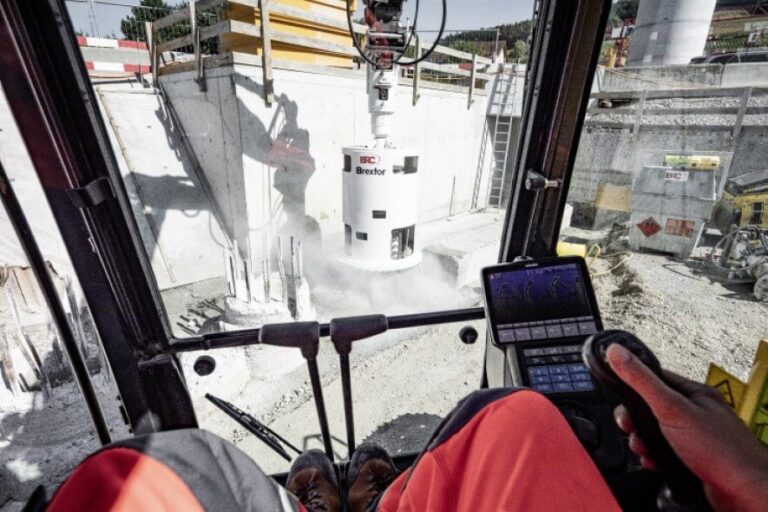
In modern construction projects, deep excavation often needs to be carried out in a small space with nearby structures that need to be protected. Under these circumstances, it is necessary to have stable excavations, and this will require reliable retaining systems that will be able to work under different ground conditions. Secant walls are among the most popular means of accomplishing this objective. It acts as a continuous wall to offer ground support, limit soil movement and offer a safe environment for foundation work before the main structure is constructed by building with overlapping concrete piles.
Initial Site Investigation
All well-designed projects start with a complete knowledge and understanding of the building site. Pros test the soil, check water levels, and look at site weight needs before they pick a wall type for the job.
This information is used to design secant wall construction, such as pile diameter, spacing, overlap and depths of drilling. Planning at this stage will help minimize construction risks and ensure the wall meets the project requirements.
Drilling Primary Piles
The installation begins with drilling of the main piles in the line of the wall. These piles are typically built first and located as per very detailed engineering designs.
After being filled with concrete, the strength of the primary piles is allowed to build up before the next step. The accuracy of positioning in this phase of the secant wall construction is of critical importance as it will be necessary to ensure that the final overlapping wall will support the excavation.
Installing Secondary Piles
Once the primary piles have set, the secondary piles are then drilled in between the primary piles. The primary piles are overlapped with each other in each secondary pile to form a continuous retaining wall.
One of the unique features of the construction of a secant wall is the overlapping of the wall elements. This enhances the structural performance of the wall and increases resistance to soil pressure, and decreases ground movement during excavations. Reinforcement is strategically positioned to create extra reinforcement when needed according to the design of the project.
Excavation And Monitoring
Once the wall is up, digging moves ahead in a safe way. Teams dig dirt while keeping close track of ground moves or near builds that could load up the main wall.
Techs use sight tools and fast site tests as they work to make sure secant walls match blueprints line by line. Continuous monitoring will alert to any changes that occur early enough to take corrective action as needed prior to further construction.
Quality Control Measures
Quality control during installation is critical to provide long-term performance. At each stage of drilling, contractors verify the accuracy of the drilling, alignment of the pile, placement of reinforcement and quality of the concrete.
Good quality control when constructing the secant wall creates an overlapping pile that creates a consistent wall for the excavation to be supported safely. By following engineering specifications, the retaining structure will also last longer after it has been installed as part of the foundation.
Conclusion
In complex excavations, it is essential to have a retaining system that is accurate and capable of performing for many years of service. Secant wall construction is an effective solution that offers continuous ground support by carefully placed overlapping piles. From early soil tests to final site checks, each step helps build a safe and firm base system. If you want to know more advanced technologies on retaining walls and various foundation engineering solutions, then Brextor.com has something for you and will give you information and some practical tips for your modern construction project.
