
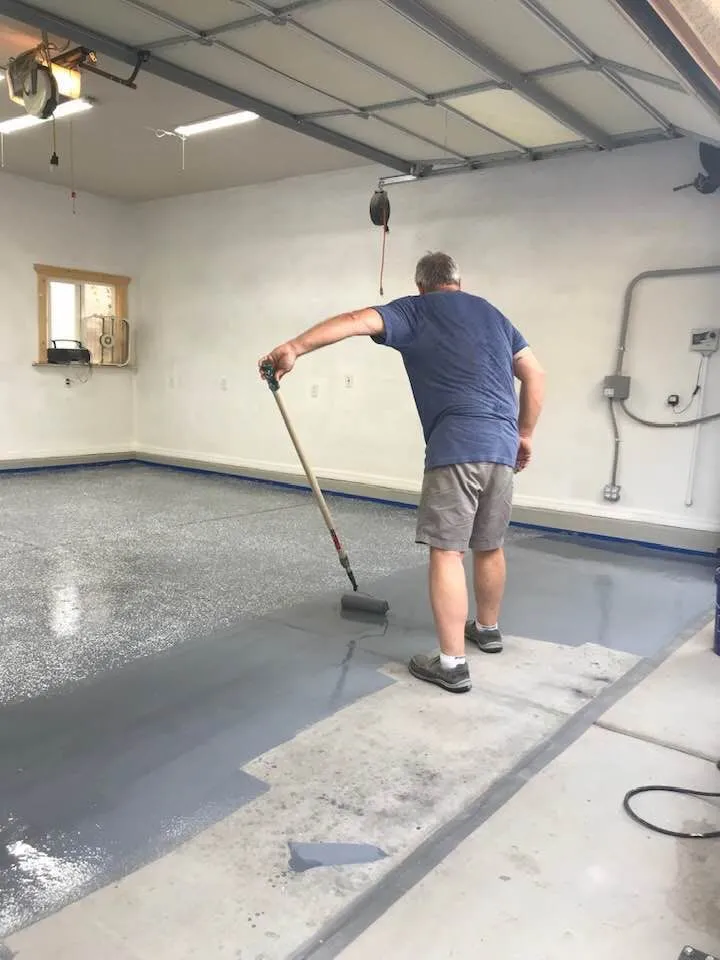
An ageing garage floor can become frustrating long before it needs complete replacement. Surface dust, oil marks, small cracks and peeling paint often make the space look untidy despite regular cleaning. Rather than automatically replacing the concrete, homeowners may benefit from considering garage floor resurfacing and suitable protective treatments. However, achieving a dependable result involves more than covering visible imperfections. The condition of the existing slab, moisture exposure, previous coatings and intended use all influence which improvements are appropriate. Understanding these issues before installation can prevent avoidable problems later.
Begin With a Thorough Inspection
The first step is identifying what has happened to the existing concrete. Surface staining, minor chips and deteriorating paint are different problems from widening cracks or significant structural movement.
Look closely around garage entrances, movement joints and areas where vehicles regularly park. If sections are noticeably uneven or cracks continue widening, professional assessment may be necessary before decorative work begins.
Understand Why Previous Paint Matters
Many older garages have been treated with ordinary concrete paint. Although this can improve appearance temporarily, existing layers may eventually peel or lose adhesion under regular vehicle traffic.
Installing a new resin system over poorly bonded paint can compromise the finished surface. Contractors may recommend mechanical grinding to remove unsuitable coatings and create a suitable profile for the next treatment.
Consider the Effects of Moisture
Garages in the UK frequently experience damp conditions, particularly during colder months. Rainwater enters on vehicle tyres, while moisture can also move through concrete from beneath the slab.
Persistent damp patches, discolouration or repeated coating failure may indicate a problem requiring investigation. Moisture testing helps determine whether particular coating systems are appropriate. Decorative treatments should not be treated as substitutes for necessary drainage or waterproofing repairs.
Compare Different Resin Systems
An epoxy garage floor can provide a protective surface when the concrete has been prepared correctly. Epoxy coatings are available in different formulations, thicknesses and decorative finishes.
Some installations feature-coloured flakes, while others use solid colours, metallic effects or self-smoothing materials. Each option offers different aesthetic and practical characteristics. The correct selection depends on vehicle use, expected wear and the specific conditions of the garage.
Ask About the Installation Process
A professional quotation should describe the preparation work as well as the proposed finish. This helps homeowners compare services without focusing exclusively on the final price.
Important questions include:
-
Will the existing floor be mechanically ground?
-
How will cracks and damaged areas be treated?
-
Is moisture testing required?
-
Which coating layers and topcoat will be applied?
-
When can people and vehicles safely use the floor again?
Clear answers establish realistic expectations and reduce the likelihood of unexpected installation delays.
Choose Traction Over Appearance Alone
Glossy finishes can make a garage look modern, but surface texture is particularly important where rainwater and vehicle moisture are common.
Decorative flakes or suitable traction additives may provide additional grip, depending on the coating system. Homeowners should discuss likely conditions with their installer rather than assuming every finish performs equally well when wet.
Understand Curing and Access Restrictions
A coating that feels dry is not necessarily ready for vehicle traffic. Resin products require specific curing periods before they can tolerate regular use or heavier loads.
Temperature, humidity and product formulation influence these requirements. Arrange alternative parking if necessary and avoid moving heavy equipment back into the garage prematurely. Following the installation guidance helps protect the newly finished surface.
Think About Long-Term Maintenance
Resin flooring can simplify routine cleaning because many systems create relatively continuous, non-porous surfaces. However, dust, grit and automotive spills should still be removed regularly.
Use cleaning products compatible with the installed finish, and avoid dragging sharp or heavy items across the coating. Inspect high-traffic areas occasionally for scratches, impact damage or signs of wear that might need attention.
Conclusion
Resurfacing an older garage floor can be a practical alternative to replacing an otherwise serviceable concrete slab. The outcome depends on recognising existing damage, removing unsuitable coatings, checking moisture conditions and selecting materials appropriate for everyday use. Homeowners should also understand installation requirements and long-term maintenance before approving a project. For residents exploring professional epoxy and decorative resin flooring in Southampton and surrounding areas, garageupgrade.co.uk provides information about available systems and surface preparation methods. With appropriate assessment and careful installation, an ageing garage floor can become a cleaner, more attractive and functional part of the property.
