
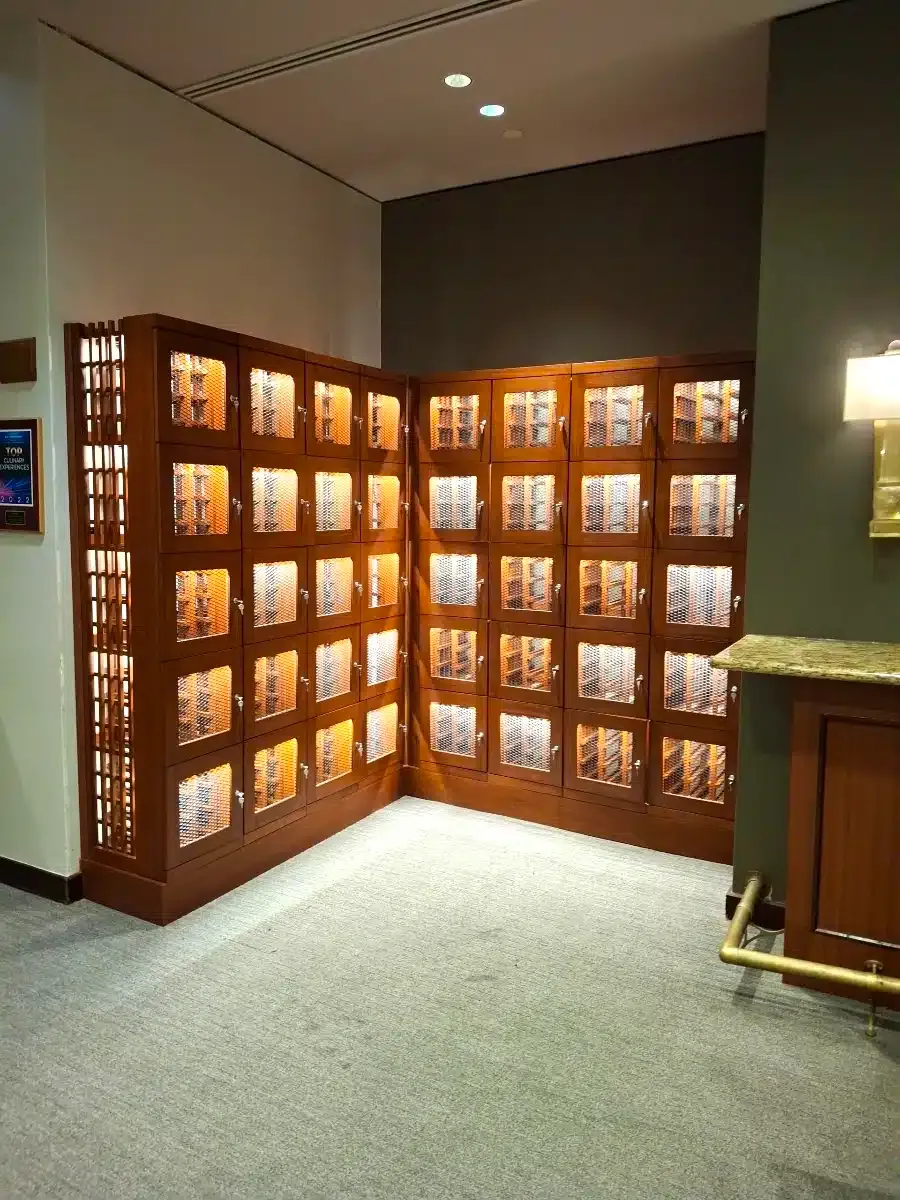
Lists of the best custom wine cellar companies rarely agree with one another, and the reason is simple: “best” depends on what you’re building and how you like to work. Before comparing names, it helps to decide on the structure of the engagement itself. Who draws the plans, who builds them, and who answers when the two don’t match? That choice shapes the project more than most people expect, often more than any single material or finish.
“Best” Depends on the Brief
A collector with 300 bottles and a spare closet needs something very different from an owner planning a glass-walled room with a bespoke tasting area. A firm that excels at one may be mediocre at the other, and neither is wrong. They’re simply built for different jobs, so a glowing review only helps if the reviewer’s project resembles yours.
Write your priorities down before browsing portfolios. Speed, budget, a particular look, a single point of contact: whichever matters most will point you toward the kind of company that fits, and quietly rule out several that don’t. That narrowing saves a surprising amount of time.
One Team Under One Roof
Wine cellar design-build companies handle the drawings and the construction as one continuous process. The person who sketches your room is working alongside the crew that will frame it, which means practical problems surface while the design can still change. Nothing has been cut or ordered yet, so adjustments cost almost nothing.
For a custom wine cellar, that arrangement also gives you one contract and one party to call. If a drawing doesn’t fit a pipe run or a delivery arrives short, nobody can point to the other side. For many homeowners, that clarity is the main attraction, particularly on a first project.
Where Combined Teams Save Time
Fewer handoffs mean fewer misunderstandings. A design that already accounts for cooling placement, door clearance and electrical capacity avoids the redraws that happen when a separate contractor reads the plans and finds a conflict. Those loops can eat weeks without anyone noticing.
Cost feedback arrives sooner too. Because the builders are involved from the start, you learn early whether a feature is affordable, and you can adjust the plan before anyone has fallen in love with something expensive. Tough conversations about money are easier at the sketch stage.
When Separate Teams Make Sense
Splitting the work can be the right call. If your architect is already designing the whole house, you may want the cellar integrated into that vision, and a separate builder can execute it faithfully. Some owners also like having an independent designer who isn’t tied to a construction budget.
Competitive bidding is another reason. With finished drawings in hand, you can invite several builders to price the same scope and compare like for like. That takes more effort, but it can reveal real differences in cost, as long as everyone prices the identical scope.
Money Differences Worth Noticing
A combined contract may look pricier at first glance, since design fees are folded in. Compare the total, not the headline line. Separate arrangements often add coordination time, revisions and change orders that don’t appear on the first estimate.
Ask how pricing works, too. A fixed price gives certainty, while time-and-materials billing offers flexibility with less predictability. Neither is wrong, but you should know which one you’re signing before work begins. Surprises usually come from assumptions nobody wrote down.
Questions That Reveal the Model
Ask who holds responsibility if the drawings and the build disagree. Ask who handles permits, and who coordinates the electrician and the cooling technician. Clear, confident answers suggest an organized process behind the scenes.
Find out how design changes are handled mid-project as well. A good process has a simple way to approve them, document the cost and keep the schedule honest, so a small tweak doesn’t snowball into confusion. Ask to see a sample change form.
Conclusion: Pick the Structure, Then the Name
The right company is the one whose way of working matches yours. Decide whether you want one accountable team or a set of specialists, then compare the candidates inside that group. Your shortlist will be shorter and your questions sharper.
If you’d like to see how a combined design and build process works in practice, customwinecellar.com is a straightforward place to begin.
