
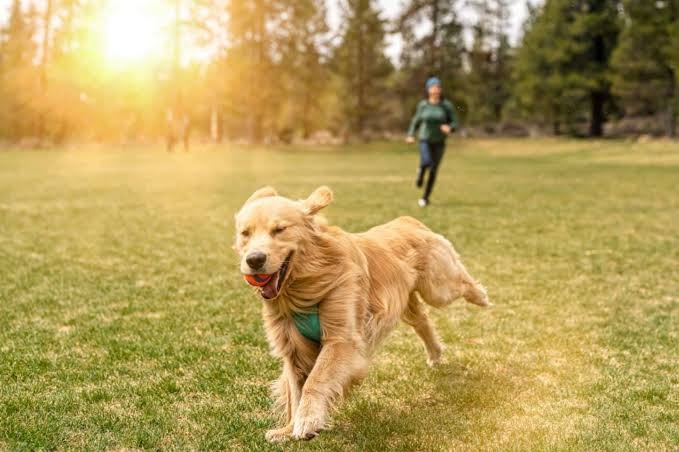
A dog can seem wonderfully calm at home and turn into a completely different character the moment the leash comes out. Outside, there are squirrels, passing dogs, food smells, traffic, strangers, and countless places worth investigating.
That is exactly why an ordinary walk can tell an owner so much.
Walking is not only physical exercise. It brings together attention, communication, impulse control, and the dog’s ability to cope with distractions. Instead of treating every difficult walk as something to simply get through, owners can use what happens outside to work out where their dog needs more help.
Notice How the Walk Begins
Sometimes the trouble starts before anyone leaves the house.
The leash appears, and the dog begins racing around. It jumps while somebody tries to attach the clip, rushes toward the door, and squeezes through as soon as there is enough space.
Five minutes later, the owner wonders why the dog is still overexcited.
Changing the opening routine can help. There is no need to demand perfect stillness, but waiting for a brief calmer moment before opening the door can set a different tone.
Even a few seconds count in the beginning.
Pulling Usually Has a Destination
Dogs rarely pull just for the sake of creating tension on a leash. Something ahead is normally worth reaching.
Watch where the dog is going.
Does pulling become stronger near a particular tree? Does the dog rush toward people? Is another dog the trigger? Perhaps the first half of every walk is difficult because the dog is eager to explore after being indoors.
Once owners notice the pattern, they have something specific to practice.
Professional dog walking training Buda Texas can also help owners work on leash handling and communication in situations where everyday distractions are part of the challenge.
Let Sniffing Be Part of the Walk
A walk does not need to look like a perfectly straight march from beginning to end.
Dogs experience a large part of the outside world through smell. Giving them appropriate opportunities to sniff can make the outing more interesting without abandoning leash manners.
Owners can even use access to a smell as part of the routine.
For example, a few steps with a loose leash might be followed by permission to investigate a patch of grass. The dog gets something it wanted, while the owner has another way to reinforce manageable walking.
That can be more useful than spending the entire outing saying “no.”
Some Problems Need Individual Attention
Group settings and general training can be useful, but not every issue appears when several dogs and owners are together.
Perhaps the dog behaves differently near its own front gate. Maybe visitors are the real difficulty. It might react to a particular neighborhood situation or struggle with a behavior that requires closer observation.
In those cases, private dog training Buda TX can provide a more individual setting for working on specific training deficits or behavioral concerns.
The benefit of individual work is focus. The session can concentrate on what is happening with that dog and owner rather than following a broad list of exercises.
Do Not Measure Every Walk by Distance
A two-mile walk is not automatically better than a twenty-minute one.
Imagine spending twenty minutes working around a distraction that normally causes your dog to pull or bark. Perhaps the dog manages to notice it, remain at a workable distance, and reconnect with you several times.
You may not travel very far, but useful work has happened.
Some outings can be for exercise. Others can contain more training. Many will include a little of both.
There is no reason every walk needs to achieve the same thing.
A Difficult Walk Still Gives You Information
Some days will simply go badly.
The dog may be more distracted than usual. Several triggers might appear at once. You could mistime a response or realize halfway through that the environment is too busy.
That does not make the outing useless.
Think about where things became difficult. Was the other dog too close? Had your dog already become excited before the reaction? Would crossing the street earlier have helped?
These questions turn a frustrating experience into information for the next walk.
Conclusion
Daily walks reveal far more than whether a dog needs exercise. They show how well the dog can stay connected with its owner, respond around distractions, manage excitement, and move through an unpredictable environment.
Owners can use those observations to decide what deserves more practice and when individual guidance may be useful. For more information about professional training options and owner education, visit caninemoxy.com.
