
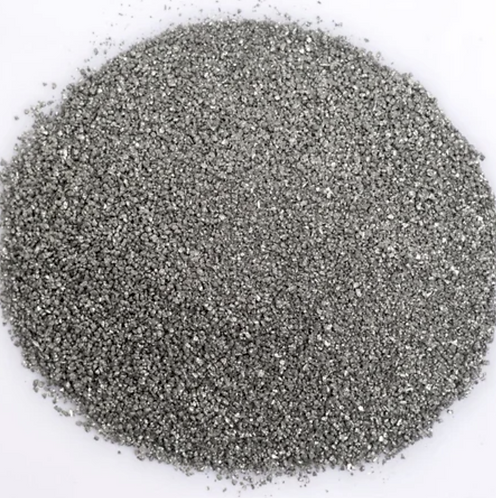
Metal powders have become a major part of modern manufacturing because they support production methods that were difficult to achieve only a few years ago. Additive manufacturing and 3D printing continue expanding into industries requiring complex designs, material efficiency, and flexible production. The quality of raw powder often influences the final component as much as the printing process itself. Many manufacturers work closely with a Metal powder supplier USA before beginning advanced production projects.
Improve Design Freedom
Traditional machining sometimes limits what engineers can build without adding several manufacturing steps. Metal powder technologies enable more complex internal structures, lightweight design, and complex geometries, which would be difficult to produce using traditional techniques. The added design flexibility allows manufacturers to tackle engineering problems without significantly raising manufacturing complexity. Lighter, stronger, more efficient parts are also being developed throughout various industries, thanks to improved design options.
Reduce Material Waste
A practical benefit of additive manufacturing is that only parts of the material are used for the final part. Traditional machining can be used to produce a lot of scrap before the desired form is achieved. Generally, in the process of powder-based manufacture, less waste is generated, which helps manufacturers to use resources effectively. In many cases, companies buying Specialty metal powders look at this benefit, as minimizing waste can lead to benefits in the production planning process and to more efficient manufacturing processes.
Support Rapid Prototyping
New industrial products frequently need to go through multiple design iterations until they can be produced. Rapid development of functional prototypes can be achieved without the need to wait for special tooling or complex manufacturing. Prototype development that is accomplished more quickly allows design changes to be discovered earlier in the engineering process. This hands-on approach not only facilitates more effective product refinement but also eliminates the typical delays that come with conventional manufacturing processes that necessitate significant time and effort in preparing tools.
Expand Material Choices
As the technology of manufacturing metals progresses in various industries, the range of metal powders is expanding. Today, there is an increasing number of stainless steel, titanium, aluminum, nickel alloys, cobalt alloys, and other specialty materials that are used in additive manufacturing applications. Engineers can choose the powder that they need for their projects based on the strength, weight, corrosion resistance, or thermal properties. Reliable suppliers are important as they deliver good material consistency in repeated production.
Improve Production Flexibility
Manufacturing needs seldom change for the duration of a project. Design changes are easier to implement with Additive Manufacturing compared with traditional manufacturing methods, allowing it to be flexible. Small production volumes, customized parts and replacement parts are easier to produce without making a big investment in the tooling. This versatility is frequently valuable to organizations that are collaborating with a Metal power source USA, especially when production needs change from one engineering application to another or due to customer demands.
Strengthen Component Quality
It is important to note that good-quality metal powders are directly related to the performance characteristics of the finished part. The size, shape, purity and consistency of particles will affect the accuracy of printing and mechanical properties after printing. Selecting materials carefully helps to ensure more consistent manufacturing results and eliminate needless manufacturing problems. When deciding on purchasing Specialty metal powders, buyers typically carefully check the technical specifications, as consistent raw material is crucial to meet the challenging application requirements for industrial manufacturing.
Match Industry Demands
The use of additive manufacturing keeps growing in different industries, as each one appreciates specific production benefits. Certain industries are interested in lightweight structures, others are interested in customization of parts or faster development times. Metal powder technologies offer solutions to these diverse needs. It is important to consider the purpose of the application before choosing materials so that manufacturing processes can be evaluated to ensure that they are appropriate for the engineering requirements of the application rather than technology trends.
Conclusion
Metal powders are evolving and reshaping additive manufacturing and 3D printing, enabling designers unprecedented flexibility on the one hand and better material utilization, rapid product development and viable manufacturing solutions on the other, in numerous industrial fields. Regmetals.com offers material solutions such as Specialty metal powders for manufacturers looking into new production methods and precision engineering applications. When it comes to buying powder, it’s important to take the time to compare its characteristics to have more consistency in powder manufacturing and better production results. The selection of materials is still a key component of the success of additive manufacturing projects.
